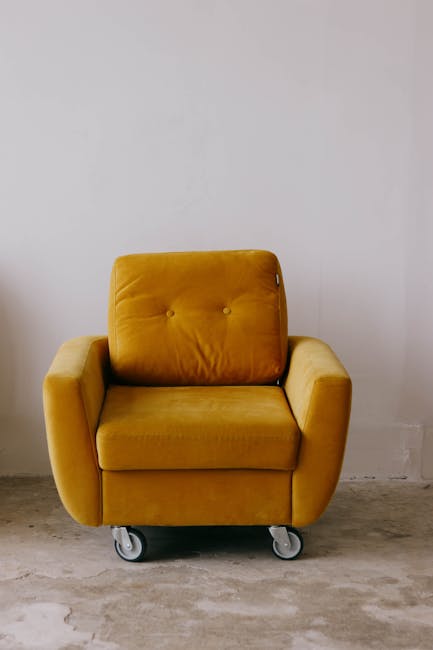
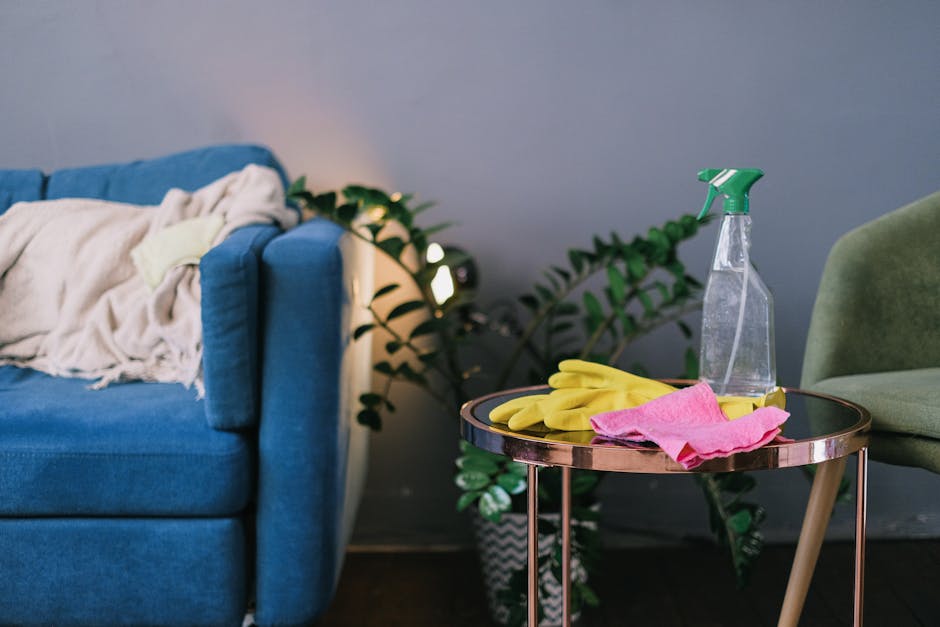
SE11 upholstery cleaning guide for Kennington homes
If your sofa has started looking a little tired, or the armchair by the window has collected one too many tea spills, you are in the right place. This SE11 upholstery cleaning guide for Kennington homes breaks down what actually works, what to avoid, and how to keep everyday fabrics looking fresher for longer. Upholstery is easy to overlook until a mark appears in daylight, or you sit down and notice that faint musty smell that somehow crept in over winter. Happens to the best of us.
Whether you live in a period terrace, a flat near the Oval, or a busy family home with pets and children, upholstery cleaning is one of those jobs that quietly makes a house feel healthier, brighter, and more comfortable. In this guide, you will find practical steps, safe cleaning methods, common mistakes, and a realistic view of when to call in a professional service such as upholstery cleaning in Kennington or broader cleaning services in the area.
To help you plan the next step, we also link to useful local resources, including carpet cleaning in Kennington SE11, domestic cleaning support, and house cleaning in Kennington where it makes sense. Let's get into it.
Table of Contents
- Why SE11 upholstery cleaning guide for Kennington homes Matters
- How SE11 upholstery cleaning guide for Kennington homes Works
- Key Benefits and Practical Advantages
- Who This Is For and When It Makes Sense
- Step-by-Step Guidance
- Expert Tips for Better Results
- Common Mistakes to Avoid
- Tools, Resources and Recommendations
- Law, Compliance, Standards, or Best Practice
- Options, Methods, or Comparison Table
- Case Study or Real-World Example
- Practical Checklist
- Conclusion
- Frequently Asked Questions
Why SE11 upholstery cleaning guide for Kennington homes Matters
Upholstery takes a beating in ordinary life. Coffee ends up on the sofa. Grease from hands builds up on armrests. Dust settles into fibres. A damp umbrella by the door leaves a faint smell that lingers longer than it should. In Kennington homes, especially in SE11 properties where rooms can be compact and heavily used, upholstery often works harder than people realise.
There is also a simple comfort factor. Clean upholstery changes how a room feels. A fresh sofa makes the whole lounge feel better kept, even if you have not redecorated at all. That matters in homes where one space does everything: working, relaxing, entertaining, and sometimes eating dinner in front of the telly. Truth be told, that is most modern London homes.
For landlords, homeowners, tenants, and shared households, upholstery care is not just cosmetic. It helps slow down wear, reduces lingering odours, and can support a cleaner indoor environment overall. If you are preparing for a move, it also fits neatly alongside end of tenancy cleaning in Kennington, where presentation matters more than people expect.
And if you are living close to busier stretches like Kennington Road or near entertainment spots, dust and street grime can find their way indoors. It's London. That is just the deal.
Expert summary: Upholstery cleaning matters because fabrics trap soil, spills, odours, and allergens over time. The right method protects the material, improves appearance, and extends the life of furniture without unnecessary damage.
How SE11 upholstery cleaning guide for Kennington homes Works
At its core, upholstery cleaning is about loosening dirt from fabric or leather, removing it safely, and drying the item without leaving water marks or residue behind. The exact process depends on the material, the level of soiling, and whether the furniture has a manufacturer cleaning code.
For most fabric upholstery, the typical process starts with inspection. A cleaner checks the fabric type, seams, colour stability, and any problem areas such as pet stains, ink marks, food spills, or body oils. This matters because velvet, linen blends, synthetics, wool mixes, and leather all behave differently. A one-size-fits-all approach is where people get into trouble.
Professional methods usually involve dry soil removal, pre-treatment of stains, agitation with a soft brush or towel, and either hot water extraction or low-moisture cleaning depending on the fabric. For delicate pieces, encapsulation or foam-based methods may be more suitable. Heavy soaking is rarely a good idea. In fact, over-wetting is one of the fastest ways to cause problems such as browning, shrinkage, or long drying times.
If you are comparing services, it helps to understand how upholstery cleaning sits alongside other home services. For example, a full deep clean may combine furniture care with office cleaning in Kennington for shared workspaces, or with regular upkeep from house cleaning services for busy households.
In practical terms, good cleaning should leave furniture looking brighter, smelling fresher, and feeling cleaner to the touch. Not soaked. Not sticky. Just properly refreshed.
Key Benefits and Practical Advantages
There are obvious benefits, and then there are the quieter ones you only notice after a few days.
- Better appearance: Everyday marks, dull patches, and dust staining become less obvious, which instantly lifts the room.
- Improved comfort: Clean fabric feels nicer to sit on, especially on sofas and armchairs used daily.
- Longer furniture life: Dirt particles can act like fine grit, gradually wearing down fibres if they are left in place.
- Odour reduction: Spill smells, pet odours, and trapped moisture can be reduced when the right method is used.
- Healthier home feel: While upholstery cleaning is not a medical treatment, removing built-up dust and allergens can make a home feel fresher.
- Better presentation for moving or letting: Clean upholstery helps a home look cared for during viewings, inspections, or the final handover.
There is also the emotional side. A clean sofa can make a room feel calmer. Small thing, maybe, but if you spend a lot of time at home, small things add up. A lot.
For people considering broader home maintenance in the area, it can be helpful to read about Kennington as a place to live and even local moving or planning topics like home buying strategies in Kennington. They are not upholstery guides, of course, but they do show how strongly local property care, presentation, and day-to-day living connect together.
Who This Is For and When It Makes Sense
This guide is useful for anyone in SE11 who wants cleaner, longer-lasting furniture without making things worse by using the wrong product or too much water.
You will especially benefit if you are:
- a homeowner trying to keep a family sofa looking decent between deep cleans;
- a tenant getting ready for inspection or move-out;
- a landlord or letting agent maintaining furnished rooms;
- a pet owner dealing with fur, dander, and the occasional accident;
- someone with allergies who wants to reduce household dust build-up;
- anyone preparing for guests, a gathering, or a property viewing.
It also makes sense after specific events. A birthday party with red wine in the wrong place. A child discovering that tomato sauce is, apparently, a wall finish. A rainy week where wet coats and muddy shoes have had their say. If you have ever opened the curtains on a Sunday morning and noticed a mark that was definitely not there last month, you know the feeling.
For homes that need more than one service, combining upholstery care with domestic cleaning can be efficient, especially if you want a more complete refresh in one visit.
Step-by-Step Guidance
Here is a practical way to approach upholstery cleaning without rushing it.
1. Identify the fabric first
Check the care label or manufacturer guidance if you have it. Fabric codes may indicate whether water-based cleaning is suitable, or whether the item needs solvent-based care. If the label is missing, be cautious. When in doubt, test in a hidden area. Always.
2. Vacuum thoroughly
Use the upholstery attachment and move slowly across cushions, seams, and creases. The aim is to remove loose grit, crumbs, hair, and dust before any moisture goes near the fabric. This is a simple step, but it makes a real difference to the final result.
3. Spot-test your cleaning product
Apply a small amount to a hidden part of the furniture, such as the back edge or underside of a cushion. Wait for it to dry fully. Check for colour transfer, watermarking, or changes in texture. If anything looks odd, stop there.
4. Pre-treat stains carefully
Different stains need different handling. Fresh spills are usually easier to lift than old ones. Blot gently rather than rubbing. Rubbing just pushes the stain deeper and can rough up the fabric. That little frantic scrubbing move? Almost never worth it.
5. Clean in sections
Work methodically. Don't soak the entire item at once. Use controlled amounts of cleaning solution, then extract or wipe away residue as required by the method. Section-by-section cleaning helps avoid patchiness and uneven drying.
6. Dry properly
Open windows where weather allows, switch on airflow, and keep furniture out of heavy use until fully dry. If cushions stay damp too long, odours may return and the fibres may feel stiff. Drying is not the glamorous bit, but it is where a lot of the quality is won or lost.
7. Finish by grooming the fabric
Some fabrics benefit from a soft brush once dry to restore the pile or texture. This is especially useful for velvet-like finishes and textured weaves. It can make the furniture look noticeably more even and cared for.
If the piece is valuable, antique, or made from a delicate fabric, a professional assessment is the safer route. You can explore service options through Kennington carpet cleaners and related specialist services, since upholstery and carpet care often go hand in hand in real homes.
Expert Tips for Better Results
A few practical habits make a huge difference.
- Treat stains quickly: The sooner you deal with a spill, the easier it is to prevent permanent marking.
- Use less product than you think: Too much detergent can leave residue that attracts fresh dirt.
- Keep airflow moving: A room with decent ventilation will help furniture dry more evenly.
- Don't mix products: Combining cleaning chemicals is risky and can damage fabric or leave strong smells behind.
- Check cushion inners: If the covers look clean but the filling smells musty, the whole cushion may need attention.
- Rotate cushions regularly: Simple, but effective. It reduces uneven wear and flattening.
A useful rule of thumb: if the sofa still looks dull after vacuuming and spot treatment, the dirt is probably embedded deeper than a home wipe-down can handle. That's when professional extraction or low-moisture cleaning starts to make sense.
For local property owners who want to stay on top of broader maintenance, the area also has practical resources such as pricing and quote information and the company's about us page, which can help you decide whether to book a visit or plan a bundled clean.
Common Mistakes to Avoid
Most upholstery damage comes from impatience, not bad intentions.
- Using too much water: This can cause rings, shrinkage, or slow drying that leads to smell.
- Scrubbing hard at stains: Aggressive rubbing can spread the mark and roughen the fabric surface.
- Ignoring the care label: A sofa that looks sturdy may still need delicate treatment.
- Trying random household products: Bleach, strong degreasers, or overly perfumed cleaners can do more harm than good.
- Skipping a test patch: This is the classic mistake, and honestly the most avoidable one.
- Putting cushions back too early: Trapped moisture can undo good work.
Another issue is overconfidence with difficult fabrics. A pale linen blend or a textured boucle can be charming, but they are not always forgiving. If you are unsure, it is better to pause than to make a costly mistake. That's not overcautious. It's sensible.
Tools, Resources and Recommendations
If you are doing light maintenance at home, a few sensible tools can help without making the job more complicated than it needs to be.
| Tool or Resource | Best Use | Notes |
|---|---|---|
| Upholstery vacuum attachment | Routine dust and crumb removal | Gentle on fabric, essential for weekly upkeep |
| Microfibre cloths | Blotting fresh spills | Use clean, dry cloths and blot rather than rub |
| Soft upholstery brush | Loosening surface dust and restoring texture | Especially useful on textured fabrics |
| Fabric-safe spot cleaner | Small stains on compatible materials | Always test first |
| Portable extraction machine | Deeper cleaning on suitable fabrics | Useful, but easy to misuse if you rush |
For people who prefer help rather than DIY, it is worth exploring local service pages such as carpet cleaning in SE11, especially if you want upholstery and flooring tackled together. That can be more practical than booking separate visits, and in a real house, convenience matters.
If you are interested in how the business presents its standards and customer journey, the site also includes useful support pages like insurance and safety information, terms and conditions, and payment and security. Those pages are not glamorous, no, but they do matter when you are choosing who to let into your home.
Law, Compliance, Standards, or Best Practice
Upholstery cleaning is not usually a heavily regulated household task, but there are still important best practices to follow. In the UK, responsible cleaning work should be carried out with appropriate care for the customer's property, the cleaner's safety, and the correct handling of cleaning products.
Good practice generally includes:
- reading and following product instructions carefully;
- using suitable personal protective equipment where needed;
- avoiding unsafe chemical mixing;
- protecting floors and surrounding areas from overspray;
- checking fabric compatibility before applying moisture or detergents;
- working with insurance and public liability considerations in mind when a professional is hired.
If you live in a rented property, the condition of upholstery may matter at the end of a tenancy, especially if furniture was supplied furnished. A calm, documented approach is best. Likewise, landlords and managing agents should avoid assuming one cleaning method suits every material. It doesn't.
For service reassurance, it can help to review the company's health and safety policy and privacy policy. If you are using a team at home, these details build confidence, and rightly so.
Options, Methods, or Comparison Table
Different upholstery cleaning methods suit different fabrics and situations. Here is a simple comparison to help you think it through.
| Method | Best For | Pros | Watch Outs |
|---|---|---|---|
| Vacuuming and spot cleaning | Light maintenance | Quick, cheap, and good for regular upkeep | Won't remove deep-set grime |
| Low-moisture cleaning | Delicate or quicker-drying fabrics | Reduced drying time, lower saturation | May not lift very heavy soiling |
| Hot water extraction | Compatible fabric with deeper dirt | Strong deep-cleaning performance | Can be risky on sensitive fabrics if not used correctly |
| Foam or encapsulation cleaning | Mixed use fabrics and maintenance cleans | Useful balance of cleaning and drying speed | Results depend on correct product choice and technique |
| Professional leather cleaning | Leather sofas and chairs | Supports appearance and conditioning | Leather should never be treated like fabric |
The right choice depends on the furniture, not on what happened to be in the cupboard. That's where people sometimes go wrong. If you are unsure, a professional assessment is usually the safest call, especially for light-coloured suites, antique pieces, or higher-end fabrics.
Homeowners who are thinking about property value and presentation may also find it useful to browse related local reading such as smart real estate investing in Kennington or the broader art and culture in Kennington guide, because a well-kept interior often supports the same general goal: making a home feel cared for.
Case Study or Real-World Example
Imagine a typical SE11 flat with a two-seat sofa, one armchair, and a dining bench upholstered in a pale fabric. The household has one child, one dog, and a habit of eating takeaways on Friday nights. By Monday morning, the sofa arm has a darkened patch, the bench has crumbs in the seams, and the armchair smells faintly of wet coat.
A sensible cleaning approach would start with vacuuming all the seams, then treating the sofa arm with a fabric-safe solution tested in a hidden spot. The bench would need attention to crumbs and any grease marks, while the armchair might only need deodorising and light surface cleaning. A cleaner would likely avoid soaking the cushions, because the flat probably does not have room for slow drying or a damp smell hanging around for two days. Nobody wants that.
In a real local setting, this kind of job often sits alongside other home maintenance decisions. If the property is being prepared for sale or let, the owner may also review Kennington home buying strategies or seek help with carpet cleaning near the Oval as part of the wider presentation plan. Small touches matter more than people think.
The main lesson from a situation like this? Match the method to the material and the level of use. That is the difference between a tidy refresh and an accidental headache.
Practical Checklist
Use this quick checklist before you start cleaning upholstery at home or booking a professional visit.
- Check the fabric care label or manufacturer guidance.
- Vacuum cushions, seams, and hidden corners carefully.
- Test any cleaning product in a discreet area.
- Blot spills gently rather than rubbing them.
- Use the smallest effective amount of moisture.
- Allow enough drying time before use.
- Watch for lingering odours after cleaning.
- Raise any concerns about colourfastness, shrinkage, or delicate materials before work begins.
- Consider combining upholstery care with a wider home clean if the whole property needs a reset.
- Keep a note of what product or method worked well, so you don't have to guess next time.
If you are booking a service, it also helps to review practical information such as pricing and quotes and the company's wider service overview so you know exactly what to expect. A little preparation saves time later.
Conclusion
Upholstery cleaning in SE11 is not just about making a sofa look nicer for a day or two. It is about protecting the furniture you already own, keeping your home feeling fresh, and avoiding the small wear-and-tear issues that build up when fabric is left unchecked. In Kennington homes, where rooms often work hard and space is precious, that makes a real difference.
The key is to choose the right method, respect the fabric, and avoid rushing. Light maintenance goes a long way, but deeper marks, stubborn odours, and delicate materials often deserve professional handling. If you take one thing from this guide, let it be this: careful cleaning nearly always beats aggressive cleaning. Nearly always.
If you want a more complete refresh, it can make sense to combine upholstery care with a broader service from a trusted local team. For anyone comparing options in the area, the next sensible step is to look at the service details, ask a few clear questions, and choose the approach that suits your home rather than forcing a one-size-fits-all solution. A well-kept home does more than look good. It feels good too.
Get a free quote today and see how much you can save.
Frequently Asked Questions
How often should upholstery be cleaned in a Kennington home?
For everyday family homes, a light clean and thorough vacuuming routine is usually sensible every week, with deeper cleaning done as needed depending on use, pets, and spills. High-traffic sofas may need professional attention more often than occasional-use chairs.
Can I clean my sofa myself, or should I hire a professional?
You can handle light maintenance yourself if you know the fabric type and use gentle methods. If the item is valuable, delicate, heavily stained, or you are unsure about the cleaning code, a professional is safer. That saves a lot of guesswork.
What is the safest way to remove a fresh stain from upholstery?
Blot the spill immediately with a clean, dry cloth. Do not rub. Then use a fabric-safe treatment only if the care label allows it, and always test first. Fresh stains are much easier to deal with than old ones that have already settled in.
Does upholstery cleaning help with pet smells?
Yes, it can help reduce pet odours if the cleaning method reaches the source of the smell and the furniture dries properly. If a smell has soaked into cushions or padding, a deeper professional clean may be needed.
How long does upholstery take to dry?
Drying time depends on the fabric, the cleaning method, room ventilation, and how much moisture was used. Light cleaning may dry fairly quickly, while deeper cleaning can take longer. Good airflow makes a big difference.
Is steam cleaning safe for all sofas?
No, not all sofas are suitable for steam or hot water extraction. Some fabrics are too delicate, and some can react badly to too much moisture. Always check the fabric care instructions first.
Can upholstery cleaning remove old stains?
Sometimes, but not always completely. The age of the stain, the type of spill, and the fabric all affect the result. Old marks may fade significantly, yet some staining can remain. That's just the honest answer.
What should I check before booking a local upholstery cleaner?
Ask about the cleaning method, fabric suitability, drying expectations, insurance, and whether they can handle your specific type of furniture. You can also review pages like insurance and safety and about the company for extra reassurance.
Will upholstery cleaning damage delicate fabrics?
It can, if the wrong method is used. That is why spot testing, fabric identification, and careful moisture control matter so much. Delicate materials need patience, not force.
Is upholstery cleaning worth it before moving out?
Yes, especially if the furniture is included in the tenancy or the property needs to be presented well. It can help the space feel cleaner and more cared for, which matters during final checks. Pairing it with end of tenancy cleaning in Kennington is often a smart move.
Can I combine upholstery cleaning with carpet cleaning?
Absolutely. In many homes, it is practical to clean both together so the whole room feels refreshed. If you are comparing options, the local carpet cleaning SE11 service and upholstery care often complement each other well.
What if my sofa still smells after cleaning?
That usually means moisture has remained in the filling, or the odour source is deeper than the surface fabric. Improve ventilation first. If the smell persists, a deeper inspection or another method may be needed. A bit annoying, yes, but fixable in many cases.
For readers exploring the wider neighbourhood, you may also enjoy the local context in popular party venues in Kennington or the broader community pages on the site. A well-kept home and a well-loved area tend to go together, don't they?