Waste and recycling rules for Kennington upholstery cleaning
If you are booking or running upholstery cleaning in Kennington, the cleaning itself is only half the story. The other half is what happens to the waste: dirty water, removed debris, packaging, disposable cloths, filters, and any items that need to be collected, sorted, or recycled properly. Waste and recycling rules for Kennington upholstery cleaning matter because they affect how tidy a job ends up, how compliant the process is, and how responsibly the work is handled from start to finish.
That sounds straightforward. In practice, it can get messy quite quickly. A sofa clean in a flat off a busy Kennington road, a commercial upholstery job in a shared office, or a one-off deep clean after a tenancy change all create different waste streams. Some are routine and recyclable. Some need careful disposal. And some, truth be told, are easy to get wrong if you are in a rush.
This guide explains the rules in plain English, with practical steps, common mistakes, and the kind of small details that make the difference between a tidy, responsible clean and a frustrating one. If you want the bigger picture on sustainable practices too, you may also find the company's recycling and sustainability approach useful.
Table of Contents
- Why Waste and recycling rules for Kennington upholstery cleaning Matters
- How Waste and recycling rules for Kennington upholstery cleaning Works
- Key Benefits and Practical Advantages
- Who This Is For and When It Makes Sense
- Step-by-Step Guidance
- Expert Tips for Better Results
- Common Mistakes to Avoid
- Tools, Resources and Recommendations
- Law, Compliance, Standards, or Best Practice
- Options, Methods, or Comparison Table
- Case Study or Real-World Example
- Practical Checklist
- Conclusion
- Frequently Asked Questions
Why Waste and recycling rules for Kennington upholstery cleaning Matters
Upholstery cleaning creates more waste than people often expect. You might only notice the wet extraction machine, the cloths, and the fresh scent afterwards. But underneath that, there can be lint, hair, packaging, spent filters, disposable gloves, and wastewater that needs handling with care. If a cleaner ignores waste and recycling rules, the job may still look fine for an hour. Later, though, you are left with avoidable pollution, unnecessary landfill waste, or even compliance concerns.
In a place like Kennington, where homes, offices, managed buildings, and rental properties sit close together, waste handling matters for another reason: convenience and neighbours. Nobody wants rubbish bags left in a shared hallway, and nobody wants a cleaning team tipping wastewater somewhere unsuitable. A responsible approach keeps the property cleaner, the building manager happier, and the whole process more professional.
There is also a reputation angle. Let's face it, people notice when a service feels organised. If a cleaner removes covers, packaging, and waste neatly, sorts recyclables properly, and leaves no mess behind, that builds trust. It is a small thing, but it sticks.
For commercial clients especially, waste handling links directly to wider service standards. A well-run clean often sits alongside other operational basics like health and safety policy awareness, safe access, and good communication. It all adds up.
How Waste and recycling rules for Kennington upholstery cleaning Works
The process is usually simpler than people expect, but it needs discipline. Waste from upholstery cleaning generally falls into a few broad categories: recyclable dry waste, contaminated or non-recyclable waste, and wastewater. Each one should be treated differently.
1) Dry waste
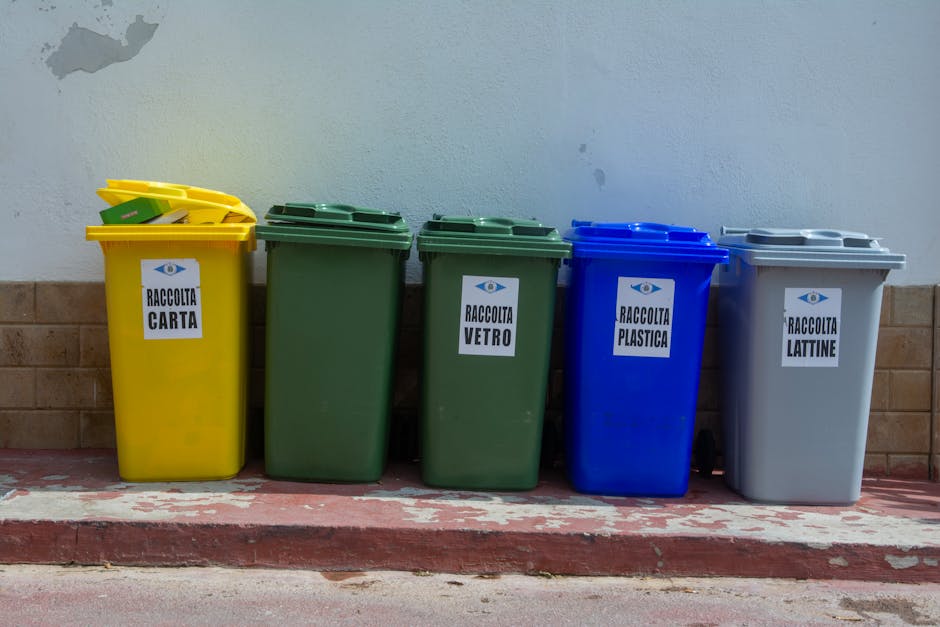
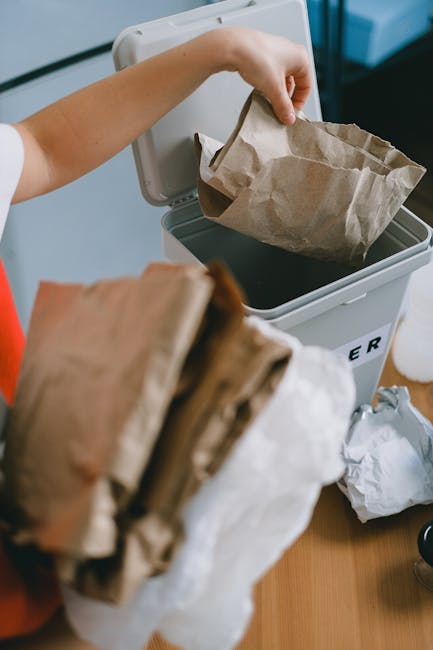
This may include packaging from cleaning products, cardboard boxes, some plastic wraps, paper towels, and clean disposable items. If these are uncontaminated, they are often suitable for recycling, subject to local collection rules and the condition of the material. A soggy cardboard box is not a recyclable cardboard box. A bit of common sense goes a long way here.
2) Contaminated waste
Used cloths, heavily soiled pads, gloves, or anything soaked with body oils, stains, or cleaning residues may not be recyclable. These items usually need to be bagged separately and disposed of as general waste unless the waste provider gives different instructions. For upholstery cleaning jobs involving pet accidents or heavy staining, this becomes even more relevant. If you are also dealing with stubborn smells or biological residues, services like pet stain odour removal often create more contaminated waste than a light maintenance clean.
3) Wastewater
Upholstery cleaning commonly produces wastewater from extraction or rinse methods. This must be managed carefully. In many jobs, it should not be poured away casually, especially if it contains dirt, detergents, or stain treatment residues. The exact handling depends on the setup, the quantity, and where the water is going. A professional cleaner should have a plan before the machine starts humming away.
4) Special or bulky waste
Sometimes the upholstery itself is too damaged to clean, or extra materials must be removed first. That may include old cushions, damaged padding, or an item that has reached the end of its life. In those cases, waste handling becomes more like clearance or disposal support than simple cleaning. If the job escalates into full removal, a service such as house clearance may be more relevant than a standard upholstery clean.
The practical point is this: not all waste is the same, and treating it as if it is can create avoidable problems. Once you start sorting waste by type, the rest becomes much easier.
Key Benefits and Practical Advantages
Good waste and recycling practice is not just about being tidy. It changes the quality of the whole job.
- Cleaner final presentation: The property looks genuinely finished when waste is removed, sorted, and not left in corners or bins.
- Better environmental performance: Recyclable items are not thrown away by default, which reduces landfill use where possible.
- Lower risk of complaints: Neighbours, tenants, and building managers are less likely to object when waste is handled neatly.
- Smoother compliance: Proper handling supports general UK waste duties and best practice expectations.
- More professional service: Good housekeeping makes a cleaner look organised and careful, which matters in people's homes and workplaces alike.
- Fewer cross-contamination issues: Separating dirty materials from clean recyclable packaging helps avoid everything becoming contaminated.
A small real-world example: after a sofa cleaning job in a compact Kennington flat, the visible difference may be dramatic. But if the cleaner leaves behind soaked wipes, an open bag of used pads, or packaging mixed with general waste, the room still feels unfinished. You can almost smell the damp. Not ideal.
There is also a practical money angle. Better sorting can reduce avoidable waste disposal costs over time, especially for businesses scheduling repeated cleaning. That does not mean every job becomes cheaper overnight, but the principle holds. Waste handled properly tends to be waste managed efficiently. Simple enough.
Who This Is For and When It Makes Sense
These rules and habits matter for a few different groups, and each one has slightly different priorities.
Homeowners and renters
If you are arranging upholstery cleaning in a flat, terrace, or shared building in Kennington, you will want a service that leaves no mess behind and disposes of waste sensibly. This is especially relevant in rental homes where end-of-tenancy standards are a factor. Upholstery cleaning can sit alongside end of tenancy cleaning when a property needs to be returned in good order.
Landlords and letting agents
For landlords, waste handling matters because it affects turnaround time, presentation, and compliance expectations. A sofa or chair that has been cleaned but not properly finished can still hold smells, residue, or leftover debris. In larger moves, services like move out cleaning or move in cleaning may need to be coordinated with upholstery work.
Commercial clients
Offices, coworking spaces, hospitality venues, and managed properties often need more structured waste handling because there may be bin rules, loading restrictions, and service entrances to consider. If you are booking a broader clean, commercial cleaning and office cleaning services usually have to align with internal waste procedures too.
Anyone choosing a cleaner
If you are comparing providers, ask a simple question: how do they handle waste after upholstery cleaning? The answer tells you a lot. A good provider should be able to explain disposal, recycling, and any special handling without sounding vague or defensive.
When does it make sense to think about this? Honestly, always. But it becomes especially important for deep cleans, heavy stain removal, pet-related jobs, and larger furniture items. The dirtier the job, the more important the waste plan.
Step-by-Step Guidance
If you want a practical framework, use this. It keeps the process orderly without making it overcomplicated.
- Identify the waste before starting. Look at what the job is likely to create: packaging, dirty wipes, extracted residue, removed debris, or old accessories.
- Separate recyclable and non-recyclable waste. Keep clean cardboard, paper, and suitable plastic apart from contaminated items.
- Prepare bags or containers in advance. Having the right bag on hand saves awkward improvising halfway through the job. Nobody enjoys balancing a dripping cloth in the kitchen for ten minutes.
- Manage wastewater carefully. Use the correct method for collection and disposal. Do not assume every sink, drain, or outdoor space is appropriate.
- Keep contaminated items isolated. If cloths, pads, or gloves have picked up heavy dirt or bodily residues, do not mix them with clean recyclables.
- Check site rules. Shared buildings, offices, and managed properties may have specific bin areas, collection times, or access instructions.
- Finish with a clean handover. Remove your waste, tidy the work area, and make sure the client is not left dealing with the aftermath.
A good habit is to work backwards from the end of the job. Ask: what do I need to leave behind, and what do I need to take away? That one question clears up a surprising amount of confusion.
If the upholstery clean is part of a larger refresh, such as deep cleaning or one off cleaning, the waste planning should happen before the first spray bottle is opened. It sounds obvious. People still skip it.
Expert Tips for Better Results
Here are the details that usually separate a neat job from a slightly clumsy one.
Use fewer disposables where possible
Reusable microfibre cloths, washable pads, and durable tools can reduce waste without compromising quality. You do need to wash and manage them properly, of course. Otherwise, you just move the problem around.
Label your waste bags by type
On busy jobs, it is easy to throw things into the nearest bag and deal with it later. Later tends to be the problem. A simple label or colour system keeps recyclables, general waste, and contaminated items separate.
Watch for cross-contamination
A clean piece of cardboard can become unrecyclable if it sits next to wet waste or soaking cloths. The same goes for packaging with chemical residue. One careless item can spoil the whole bag.
Think about timing
If a building has set collection times or limited bin access, schedule your waste removal around that. A job finished at 8 p.m. in winter is a different story from one done at 10 a.m. on a quiet weekday. Light, access, and bin availability all matter.
Keep communication simple
If you are the client, tell the cleaner about bin arrangements, shared access, or any restrictions before the visit. If you are the cleaner, confirm these details early. Saves everyone a headache, really.
One small but useful habit: keep a spare bag in the van or kit. It sounds basic because it is basic. And yet, when a bag tears or a wet pad leaks, that spare bag can save the day.
Common Mistakes to Avoid
Most waste-related issues in upholstery cleaning come from a handful of predictable mistakes.
- Mixing wet and dry waste: This is the classic one. Once clean recyclables get soaked, they usually stop being recyclable.
- Dumping wastewater without checking: Not every drain, gully, or sink arrangement is suitable. Think before you pour.
- Leaving waste on site: Even small items like wipes, dust bags, or product packaging can create a poor impression if left behind.
- Assuming all plastics are recyclable: They are not, at least not automatically. Check condition and contamination.
- Ignoring local building rules: Shared flats and managed blocks often have specific waste procedures. Guessing is not a strategy.
- Overusing disposable materials: Convenience can become waste quickly, especially on larger cleaning rounds.
- Forgetting the client handover: A tidy clean can still feel unfinished if the waste plan is not closed out properly.
The biggest mistake, though, is treating waste as an afterthought. It is part of the service, not a separate admin chore.
Tools, Resources and Recommendations
You do not need a massive setup to handle upholstery waste well. You need the right basics, used consistently.
Useful tools
- Strong rubbish bags for general waste
- Separate bags or bins for recyclables
- Disposable gloves for contaminated waste handling
- Microfibre cloths and washable pads
- Extraction equipment with reliable wastewater collection
- Labels or colour-coded containers for sorting
Practical documents and policies
For service providers, internal documents such as a health and safety policy, insurance information, and clear job notes help keep waste handling consistent. If you are comparing providers, it is also sensible to review their insurance and safety approach, especially where machinery, water, and access issues are involved.
What to ask before booking
- How is wastewater collected and disposed of?
- Which waste items are recycled where possible?
- Do you bring your own bags and liners?
- How do you handle contaminated cloths or pads?
- Will anything be left for the client to deal with afterwards?
That last question matters more than people think. A provider who leaves you with a pile of wrappings and soggy wipes has not really finished the job, has they?
Law, Compliance, Standards, or Best Practice
Waste and recycling rules for upholstery cleaning sit within wider UK waste handling expectations, local authority collection arrangements, and general duty-of-care principles. The exact details can vary, so it is wise not to overstate anything. What you can safely rely on is the broad best practice: sort waste properly, avoid contamination, dispose of wastewater carefully, and follow any site-specific requirements.
For businesses, compliance is not only about keeping the client happy. It also means having sensible procedures for storing, transporting, and disposing of waste generated during cleaning work. Good records, trained staff, and clear methods all help. They are not glamorous, but they are the bits that keep things under control.
In Kennington, where many jobs happen in flats, managed estates, and commercial premises, building rules may be just as important as general waste guidance. Some properties have set collection points. Some have restricted access. Some ask contractors not to use certain lifts or service areas. So the practical rule is simple: check the site, follow the rules, and do not assume every job is the same.
Best practice also includes safe chemical handling. If cleaning solutions are used, they should be measured correctly and not overused. Excess product can create more residue, more wastewater, and more waste downstream. The irony is obvious: trying to make something cleaner can make the waste problem worse if you overdo it.
If you want a provider that thinks beyond the visible clean, look for one that can explain its sustainability measures, general compliance habits, and how it approaches waste from start to finish.
Options, Methods, or Comparison Table
Not every upholstery cleaning job creates the same waste. Here is a simple comparison of common approaches and how they affect recycling and disposal.
| Method | Typical waste created | Recycling potential | Best for | Waste handling note |
|---|---|---|---|---|
| Light maintenance clean | Small amount of cloth waste, packaging, minor residue | Often moderate to good for clean dry packaging | Regular home or office upkeep | Usually easiest to sort and remove neatly |
| Deep upholstery clean | More dirty pads, residue, and wastewater | Lower if items become contaminated | Heavier soil or neglected furniture | Needs clearer separation and more careful disposal |
| Stain-focused treatment | Extra product packaging and treated waste | Varies depending on contamination | Spill removal, spot treatment | Watch chemical residue and cross-contamination |
| Pet-related clean | Heavier contamination, odour-related waste | Often limited for used materials | Homes with pets or accident damage | Isolate contaminated items quickly |
| End-of-tenancy refresh | Mixed waste from packaging, furniture prep, and cleaning residue | Depends on sorting discipline | Rental turnover | Coordinate with wider property clearance needs |
For a busy household or office, the choice is not only about how clean the fabric looks afterwards. It is also about how much waste is created and how easy it will be to manage. Less waste is not always possible, but better waste is. That is the real goal.
Case Study or Real-World Example
Picture a typical weekday job in Kennington. A two-seater sofa in a small flat has collected years of everyday use: crumbs in the seams, a faint drink mark, and that slightly stale smell furniture gets when windows are opened less often in winter. The cleaner arrives with extraction equipment, cloths, a small supply of disposable items, and a plan for what to do with the waste.
Before starting, the cleaner separates clean packaging from used materials. The cardboard from product boxes goes aside. Reusable cloths are kept separate from any heavily soiled disposables. The wastewater is collected carefully rather than tipped thoughtlessly. The client is told which items will leave the property and which will go into the household waste stream.
By the time the sofa dries, the room feels lighter. Not just cleaner - lighter. The bin area is tidy, the floor is dry, and there is no awkward pile of rubbish waiting by the door. That matters more than many people realise. A clean finish is not only about the fabric; it is about the whole job landing well.
Now compare that to a rushed version of the same job. Wet wipes in one bag, dry cardboard in another that gets soaked, wastewater poured without checking, and waste left in the hallway for the client to sort out. Same sofa, same tools, very different experience. One feels professional. The other feels unfinished. Easy choice, really.
Practical Checklist
Use this checklist before, during, or after the job.
- Have I identified what waste the upholstery clean will create?
- Are recyclable items kept dry and separate?
- Do I have bags or containers ready for different waste types?
- Is wastewater being collected and disposed of properly?
- Have I checked building or site-specific waste rules?
- Are used cloths, pads, and gloves separated from clean recyclables?
- Has the client been told what will be removed and what will stay?
- Have I avoided leaving rubbish, packaging, or dirty materials behind?
- Do I need a stronger plan for pet-related or heavy-stain waste?
- Is the final handover tidy, clear, and complete?
Expert summary: the best waste and recycling process is not the most complicated one. It is the one that is planned early, kept separate, and finished cleanly. Small habits, repeated well, make the biggest difference.
Conclusion
Waste and recycling rules for Kennington upholstery cleaning are not really about bureaucracy. They are about doing the job properly from start to finish. When waste is sorted, recycled where appropriate, and removed safely, the whole service feels more professional, more responsible, and easier for the client to live with afterwards.
Whether you are a homeowner, landlord, facilities manager, or business owner, the same principle applies: plan the waste before the clean begins. That one habit saves time, reduces mistakes, and keeps the result looking as good as it should.
If you are comparing providers, look beyond the fabric-cleaning promise and ask how they handle disposal, recycling, and site cleanliness. It is a small question with a big answer. And usually, you can tell a lot from how confidently it is answered.
Get a free quote today and see how much you can save.
Frequently Asked Questions
What counts as waste in upholstery cleaning?
Waste can include packaging, used cloths, disposable pads, gloves, lint, debris from fabric seams, and wastewater from extraction or stain treatment. Some of it may be recyclable if it stays clean and dry.
Can upholstery cleaning waste be recycled?
Some of it can, especially clean cardboard, paper, and certain plastic packaging. Once materials are contaminated with dirt, moisture, or cleaning residue, recycling options are usually more limited.
What should happen to wastewater from upholstery cleaning?
Wastewater should be collected and disposed of carefully according to the job setup and any site rules. It should not be dumped casually. The right method depends on the volume, the residue in the water, and the property's facilities.
Do upholstery cleaners in Kennington need to follow special local rules?
They need to follow general UK waste duties, local collection arrangements, and any building-specific instructions. Exact details can vary by site, so it is sensible to check before the job begins.
Is pet-related upholstery waste treated differently?
Often, yes. Pet stains, odour issues, and soiled materials can create more contaminated waste, so cloths, pads, and disposables may need to be separated more carefully from recyclable items.
How can I tell if a cleaner handles waste properly?
Ask how they separate recyclables, what they do with wastewater, and whether they leave any packaging or used materials behind. A good cleaner should answer clearly and without hesitation.
Does waste handling affect the cost of upholstery cleaning?
It can, indirectly. Better waste handling may mean more planning, more suitable supplies, or different disposal needs for heavier jobs. The cost impact depends on the job size and how much waste is involved.
What is the biggest mistake people make with cleaning waste?
The most common mistake is mixing wet and dry waste. Once clean recyclable materials become contaminated, they often can no longer be recycled.
Should upholstery waste be sorted on site or after the job?
Ideally, on site. Sorting as you go reduces contamination and keeps the job tidy. Waiting until later usually makes separation harder and less reliable.
Can upholstery cleaning be part of a broader sustainability plan?
Yes. Reusing cloths where appropriate, reducing disposables, sorting recyclables properly, and handling wastewater carefully all support a more sustainable cleaning process.
What should I ask before booking upholstery cleaning in Kennington?
Ask about waste removal, recycling practices, wastewater handling, and whether anything will be left for you to dispose of. Those questions give you a good sense of the provider's standards.
What if the upholstery is too damaged to clean?
If the item is beyond cleaning, the job may shift towards disposal or clearance rather than restoration. In that case, it may be better to discuss removal options before the appointment rather than trying to force a poor result.